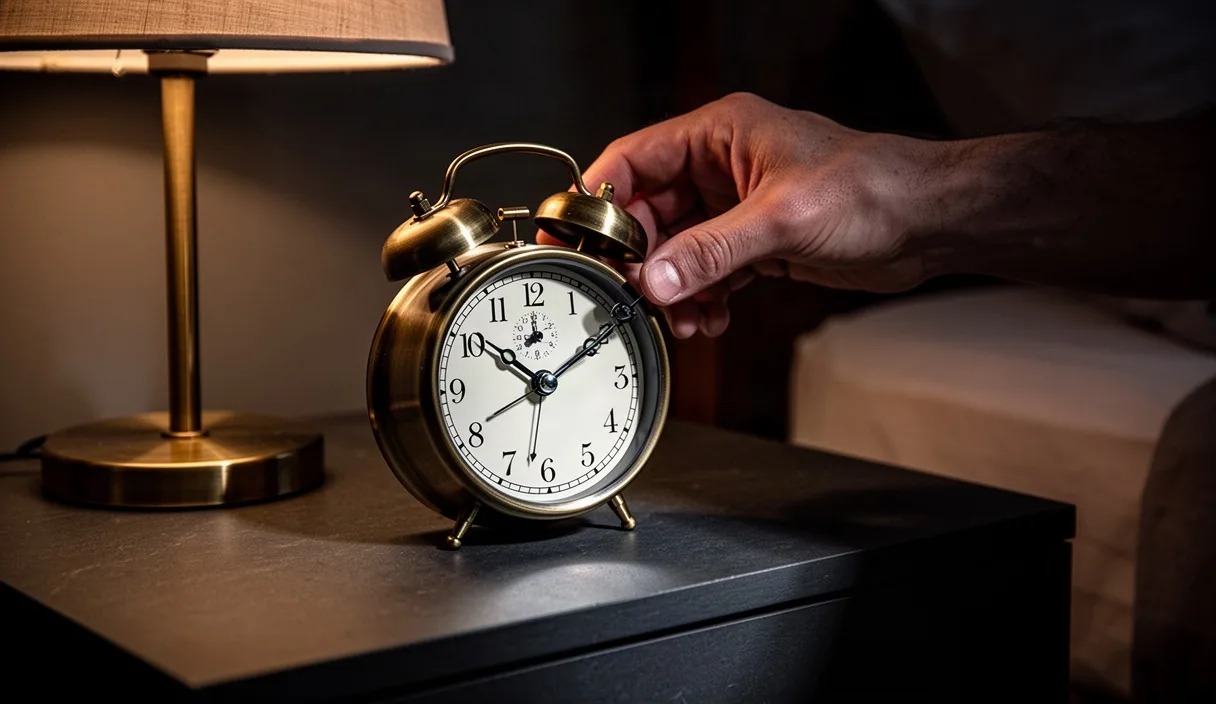
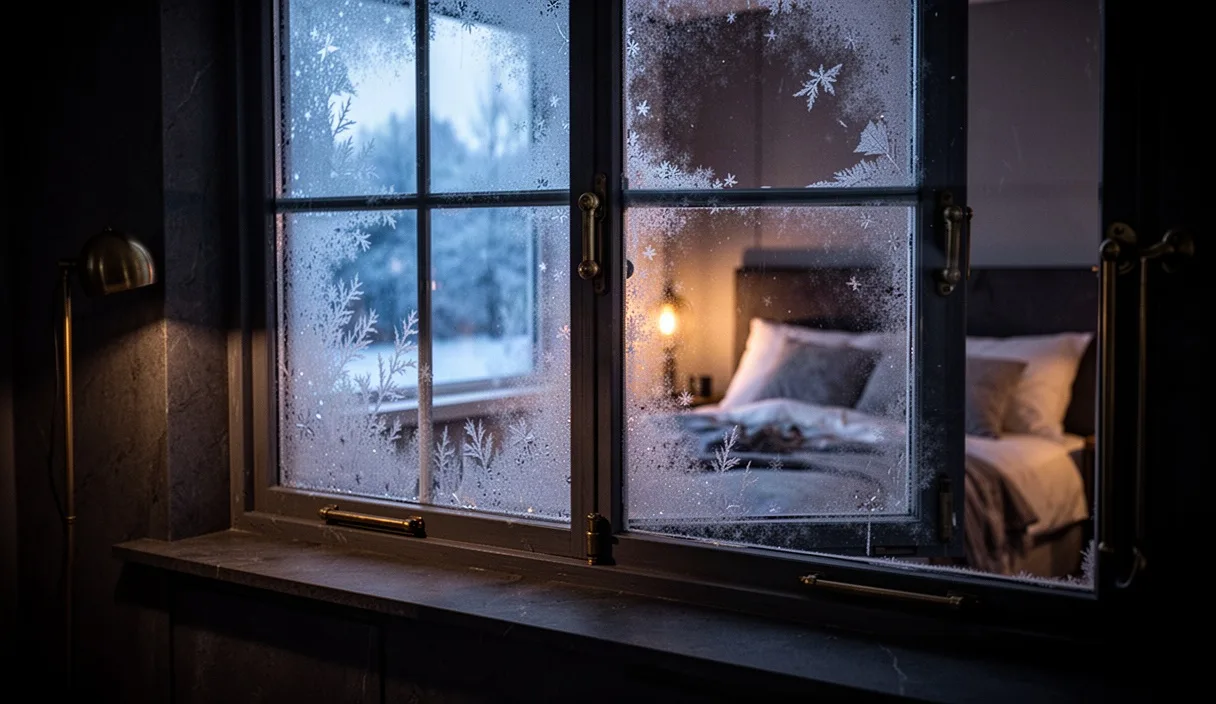
Ask anyone who has waited for a bus in Winnipeg at 7:40 a.m. in January, in the dark, breath fogging up, streetlights still on, and they will tell you something feels off long before the cold gets to them. That feeling is not just in your head. Canadian winters, especially north of the 49th parallel, cut daylight hours dramatically, and daylight is the main signal your body uses to set its internal clock. When that signal shrinks and shifts, so does your sleep.
This piece looks at what actually happens to your circadian rhythm during a Canadian winter, from Halifax to Yellowknife, and what you can realistically do about it. None of this is medical advice, and if you notice persistent restful sleep support, mood changes, or extreme fatigue, a doctor or sleep clinic is the right next step, not a blog article.
Why winter light changes your body's schedule
Your circadian rhythm, the roughly 24-hour internal clock that governs sleep, hormone release, and alertness, is set primarily by light hitting your eyes. Specialized cells in the retina send that light information straight to the suprachiasmatic nucleus in your brain, which then tells your body when to release melatonin and when to suppress it. In summer, a place like Toronto gets close to 15.5 hours of daylight around the solstice. By late December, that drops to roughly 9 hours. In Iqaluit, the swing is far more extreme, with only a few hours of weak daylight in December.
Less daylight means your body starts producing melatonin earlier in the evening and may keep producing it later into the morning, since sunrise comes so late. This is why so many Canadians report feeling sleepy by 6 p.m. in December and groggy well past their usual wake time. It is not laziness, it is biology responding to an environment with a genuinely shorter light window.
There is also a secondary factor: temperature. Canadian winter nights regularly drop below minus 15 Celsius in the Prairies and much of Ontario and Quebec, and homes respond with dry, forced-air heating that can leave bedrooms warmer and drier than in summer. Since your body naturally drops its core temperature to initiate sleep, an overheated bedroom can partially work against the darkness cue, creating a mismatch between "it's dark, time for melatonin" and "it's too warm to actually feel sleepy."
The role of morning light versus evening light
Not all light exposure affects your rhythm the same way, and this matters a lot in a Canadian winter where daylight is scarce and has to be used strategically. Morning light, especially bright light seen within an hour or two of waking, helps advance your clock, making you feel sleepy earlier at night and more alert earlier in the morning. Evening light, particularly blue-heavy light from screens or bright overhead bulbs, tends to delay your clock, pushing sleepiness later.
In winter, most Canadians get this backwards without realizing it. Sunrise in Montreal in late December is around 7:35 a.m., meaning many people are already at their desks, or halfway through their commute, before the sun is even up. Meanwhile, evenings are lit artificially with bright kitchen and living room lights well past sunset, which can happen as early as 4:15 p.m. in some regions. The result is a rhythm that gets almost no strong morning light cue and a strong artificial evening cue, which can push bedtimes later even though the body should, in theory, be winding down earlier.
| Light exposure | Effect on circadian rhythm | Winter reality in Canada |
|---|---|---|
| Bright morning light (outdoors or light therapy box) | Advances clock, earlier sleepiness at night | Often missed because sunrise is late (7:30-8:30 a.m. in many cities) |
| Bright evening light (screens, overhead lighting) | Delays clock, later sleepiness | Common, since it gets dark by 4:30-5 p.m. and homes light up early |
| Overcast winter daylight | Weaker circadian signal than clear skies | Frequent in coastal B.C. and much of Ontario in Jan-Feb |
The practical takeaway is that if you can only manage one deliberate light-exposure habit in winter, morning light does more work for your sleep than cutting evening light does, though ideally you address both.
What a typical Canadian winter commute does to your rhythm
The commute itself is a bigger factor in seasonal sleep disruption than most people give it credit for. Consider a fairly typical Calgary office worker who leaves home at 7:15 a.m. In June, the sun rose at 5:35 a.m., so their entire morning routine happens in daylight. In December, sunrise is closer to 8:20 a.m., meaning that same worker leaves home, drives or takes the LRT, and often arrives at their desk without having seen daylight at all that day.
This pattern repeats across the country with regional variation. In Vancouver, milder temperatures are offset by persistent winter cloud cover, so even the daylight hours that exist often deliver weak, diffuse light rather than the bright signal your circadian system responds to best. In Ottawa and Quebec City, clear, cold winter days actually provide strong light, but it arrives late and disappears by mid-afternoon, so office workers on standard 9-to-5 schedules can go days barely intersecting with real daylight, especially during a stretch of short-daylight weeks around the solstice.
Public transit riders face a specific version of this problem: waiting on outdoor platforms in the dark, then sitting under fluorescent lighting on a bus or train, then working indoors under artificial light. Drivers get a milder version, since a windshield still lets in some usable daylight during a midday errand or lunch break, which transit riders often miss entirely.
Simple adjustments for dark mornings and early sunsets
None of these fixes require special equipment, though a couple of common tools are worth mentioning honestly rather than oversold.
- Get outside within the first hour of waking, even briefly. Ten minutes standing outside with a coffee, or a short walk to a bus stop, gives your eyes real daylight even under cloud cover, which is still stronger than most indoor lighting.
- Consider a light therapy box for the darkest stretch. Many people in Northern Ontario, the Prairies, and Atlantic Canada use a 10,000 lux light box for 20 to 30 minutes in the morning during December and January specifically. This is a personal-preference tool, not a guaranteed fix, and anyone with an eye condition or bipolar disorder should check with a doctor before starting one.
- Dim household lighting after 8 or 9 p.m. Switching from overhead lights to a single lamp in the evening reduces the delaying signal that keeps your clock pushed later.
- Keep the bedroom cooler than the rest of the house. Given how dry and warm forced-air heating can make Canadian homes in winter, aiming for around 18 to 19 Celsius in the bedroom, with a humidifier if the air is very dry, supports the natural temperature drop needed for sleep onset.
- Anchor wake time, even on weekends. Sleeping in until 10 a.m. on a Saturday in February, after a week of dark 6:30 a.m. wake-ups, can undo several days of consistency and make Monday's dark start feel worse.
None of these are dramatic changes, but consistency across a full winter, roughly November through February depending on latitude, tends to matter more than any single tactic.
When to expect your schedule to shift back in spring
The shift back is not instant, and it is not always pleasant either. By the March equinox, most of Canada is gaining roughly three to four minutes of daylight per day, which sounds small but compounds quickly. In Toronto, the gap between an early March sunrise and a late March sunrise can be over 40 minutes.
Daylight Saving Time, which most of Canada observes starting the second Sunday in March, actually complicates this transition rather than smoothing it. Clocks jump forward an hour overnight, so even though days are objectively getting longer, many people experience a jarring week of feeling like mornings got darker again, since the clock change effectively subtracts an hour of morning light while adding it to the evening. Sleep researchers commonly note that it can take five to seven days for the body to adjust to this shift, and some people, particularly those already sleep-deprived from winter, feel it for close to two weeks.
By late April in most of Canada, and by early May in the far north, daylight hours are long enough that the earlier winter melatonin timing has largely corrected itself without any special intervention. The exception is far northern communities like Inuvik or Iqaluit, where the swing is so extreme that the adjustment period on both ends of winter tends to be longer and more noticeable.
Common mistakes
A few patterns show up again and again when Canadians try to manage winter sleep disruption on their own.
- Relying only on caffeine to fight the daytime sleepiness, which can push bedtime later and worsen the very mismatch causing the grogginess in the first place, especially if consumed after early afternoon.
- Using a light therapy box in the evening instead of the morning, which can actively delay the body clock rather than correct it.
- Keeping blackout curtains closed all morning out of habit from summer, which blocks the limited natural light available and removes a useful winter cue entirely.
- Overheating the bedroom to compensate for a cold house, which works against the temperature drop the body needs to fall asleep.
- Napping for over an hour in the late afternoon, common when the 4:30 p.m. darkness triggers a slump, which can push nighttime sleep onset later and create a cycle that is hard to break by February.
Practical next steps for the darkest months
A short, workable checklist for getting through a Canadian winter without your sleep falling apart:
- Get outside, even for ten minutes, within an hour of waking, regardless of cloud cover.
- If considering a light therapy box, use it in the morning, and check with a doctor first if you have an eye condition, take photosensitizing medication, or have bipolar disorder.
- Dim household lighting in the hour or two before your intended bedtime, starting around late October and continuing through February.
- Keep your bedroom on the cooler side, around 18 to 19 Celsius, and manage indoor dryness from forced-air heating with a humidifier if needed.
- Hold a consistent wake time within about an hour, even on weekends, through the darkest stretch of the year.
- Expect a real adjustment period after Daylight Saving Time in March, roughly one to two weeks, rather than assuming something is wrong.
- If sleep problems persist beyond what seasonal adjustment explains, especially with low mood, loss of interest, or major appetite changes, talk to a doctor about seasonal affective patterns rather than treating it purely as a sleep issue.
Canadian winters are long enough, and dark enough in most regions, that some disruption to sleep timing is a normal, expected part of the season rather than a personal failing. Small, consistent adjustments to light exposure and bedroom conditions tend to help more than any single dramatic change, and by the time the snow starts melting, most of the country's clocks, human and literal, sort themselves out again.